StandardPrva Analysis: How the Summer Arrival of Our Citizens Affects Bosnia and Herzegovina’s Balance of Payments and Overall Consumption
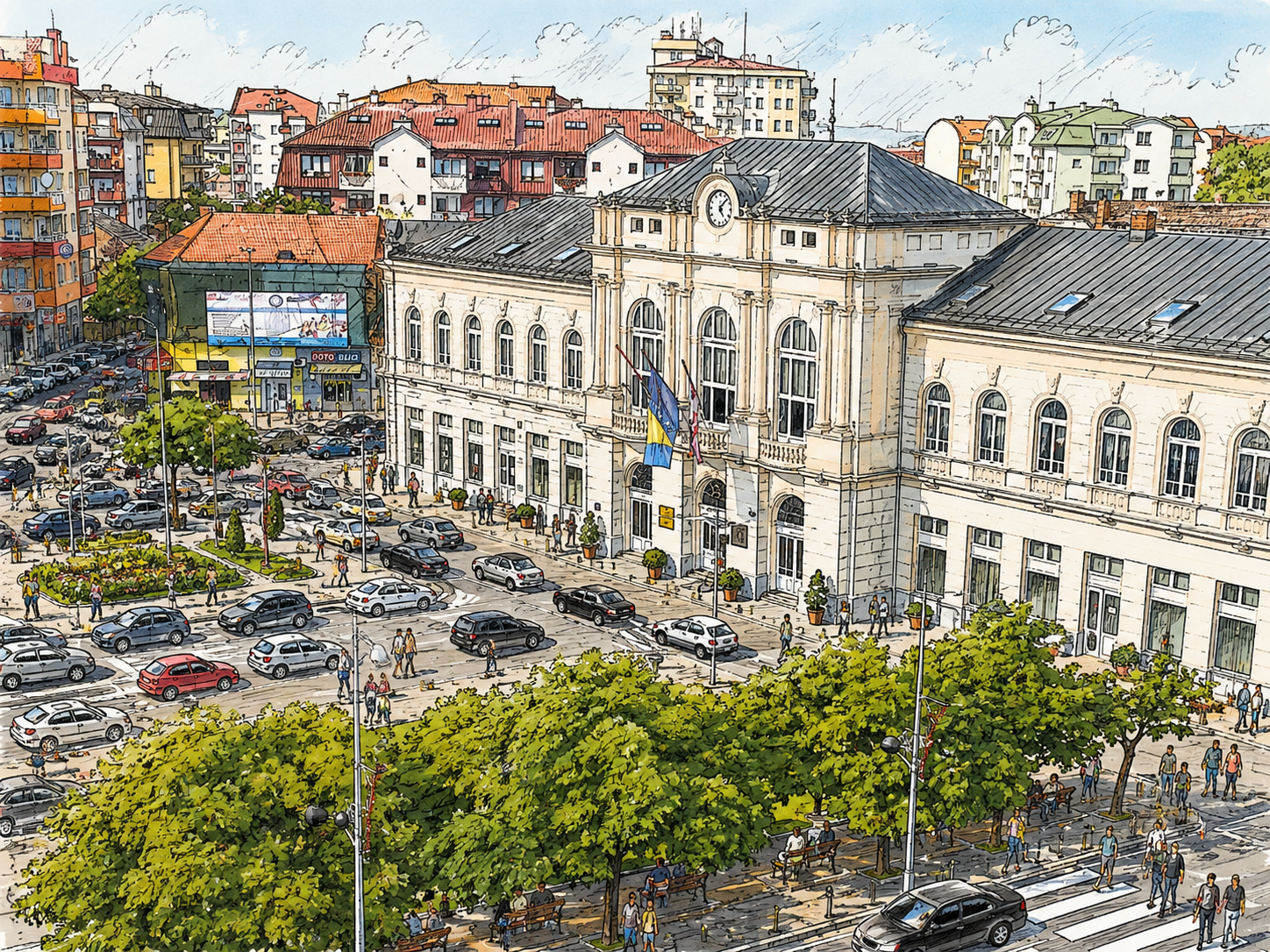
15.08.2026Every summer, Bosnia and Herzegovina presents a picture that is difficult not to notice: cities become more crowded, there are significantly more cars with foreign license plates on the streets, restaurants and cafés operate more intensively, turnover in shops, petrol stations and service centres increases, while tradespeople, construction companies and numerous other service providers have more work. Behind this everyday picture lies an important economic phenomenon – the seasonal arrival of a large number of our citizens who live and work abroad represents one of the most significant periodic financial injections into the domestic economy.
The importance of this effect is best demonstrated by data from the Central Bank of Bosnia and Herzegovina. In the third quarter of 2025, covering July, August and September, workers’ remittances from abroad reached a record net amount of BAM 1.12 billion. The Central Bank states that this was the highest quarterly value recorded to date, while inflows from remittances, together with the surplus in the services account, significantly reduced Bosnia and Herzegovina’s current account deficit.
At the same time, the third quarter of 2025 recorded a net inflow from services of approximately BAM 1.35 billion. This figure is particularly interesting during the summer period because the services account includes, among other things, travel, i.e. spending by non-residents in Bosnia and Herzegovina. The Central Bank also points out that this category includes transport, telecommunications, computer and other services, meaning that the entire amount of BAM 1.35 billion cannot simply be attributed to the diaspora. Nevertheless, the data clearly confirm pronounced seasonality and the major economic importance of the arrival and spending of people from abroad.
The annual figure provides an even stronger picture. During 2025, Bosnia and Herzegovina received a record BAM 5.92 billion in current transfers from abroad, of which as much as BAM 4.46 billion related to personal transfers, i.e. remittances from abroad. The Central Bank of Bosnia and Herzegovina directly points out that such inflows support household consumption, living standards, foreign exchange reserves and the stability of the country’s balance of payments.
The effect is also visible in domestic consumption. According to data from the Agency for Statistics of Bosnia and Herzegovina, household final consumption expenditure in the third quarter of 2025 amounted to approximately BAM 10.01 billion at current prices, while in the same quarter of 2024 it amounted to around BAM 9.36 billion. This represents a nominal increase of approximately BAM 653 million, or about 7% in just one year. When the effect of price increases is excluded, real household consumption in the third quarter of 2025 was 3% higher than a year earlier.
It is important here to make a statistical distinction. Household final consumption, according to the methodology of national accounts, refers to the consumption of resident households. This means that a person who has lived and had their centre of economic life in Germany, Austria or Switzerland for years, but comes to Bosnia and Herzegovina during the summer and spends money here, is not necessarily recorded in domestic consumption in the same way as a resident of Bosnia and Herzegovina. Part of such spending is recorded in the balance of payments through travel and exports of services. Precisely for this reason, the actual economic effect of the diaspora’s summer arrival cannot be found in a single statistical item.
The money that comes to Bosnia and Herzegovina during the summer does not end up only in restaurants and shops. A significant portion is spent on construction work, renovation of family houses and apartments, furniture purchases, cars, vehicle servicing, health and dental services, weddings and other events, administrative services, lawyers, accountants and numerous other activities. An amount earned abroad can thus change hands several times within the domestic economy – from the consumer to the retailer, then to the supplier, employee and another company.
The effect on local economies is particularly important. In cities and municipalities with large numbers of residents living abroad, several summer weeks represent one of the most important business periods of the year. Increased demand is felt everywhere from retail and hospitality to construction and real estate. Some people who come during the summer do not spend money only on everyday life, but precisely then make real-estate purchases, begin construction projects, renovate properties or make decisions about future investments.
From the perspective of the balance of payments, the importance of the diaspora is even more pronounced. Bosnia and Herzegovina traditionally has a large trade deficit in goods, as the value of imports significantly exceeds the value of exports. Remittances, spending by foreign and non-resident persons, and revenues from various services represent one of the mechanisms through which part of that deficit is offset. For the third quarter of 2025, the Central Bank recorded a current account deficit of only BAM 53.9 million, which was 35% lower than in the same period of the previous year, precisely with a significant contribution from inflows from services and remittances from abroad.
However, there is also an important other side to the story. If money coming from abroad is mainly spent on imported goods, part of that capital very quickly leaves Bosnia and Herzegovina again. That is why it is much more important for the economy when increased consumption ends up with domestic producers and service providers, and especially when part of the diaspora’s funds is transformed into investments, new businesses, real-estate projects and new jobs. The difference between temporary consumption and long-term investment is precisely the difference between a short-term economic impulse and a lasting increase in domestic capital.
StandardPrva’s analysis shows that the economic footprint of the summer arrival of our people from abroad is undoubtedly measured in billions of convertible marks. Workers’ remittances alone amounted to a record BAM 1.12 billion in the third quarter of 2025, while the net inflow in the services account stood at around BAM 1.35 billion. These two categories cannot simply be added together and called “diaspora money,” but together with the growth in domestic consumption, they clearly demonstrate the scale of the economic flows characteristic of the summer months.
Bosnia and Herzegovina therefore should not view its diaspora merely as a source of remittances or as people who come home for a few weeks each year. It is a huge economic network connecting the domestic economy with the markets of Germany, Austria, Slovenia, Switzerland, Scandinavia, the United States and numerous other countries. The real question for the country’s economic policy is not only how much money our people will spend this summer, but how much of that capital we will manage to retain in Bosnia and Herzegovina and transform from seasonal consumption into long-term investment, production and new jobs.
/ / /
"Standard Prva" LLC Bijeljina is a company registered in Bijeljina at the District Commercial Court in Bijeljina. Company’s activities are accountancy, repurchases of receivables, angel investing and other related services. Distressed debt is a part of the Group within which the company repurchases the receivables, which function and are not returned regularly.
Lawyer’s Office Stevanović is the leading lawyer’s office in the region with the seat in Bijeljina. The LO abbreviation represents Lawyer’s Office of Vesna Stevanović and Lawyer’s Office of Miloš Stevanović.
Contact for media press@advokati-stevanovic.com or via telephone 00 387 55 230 000 or 00387 55 22 4444.